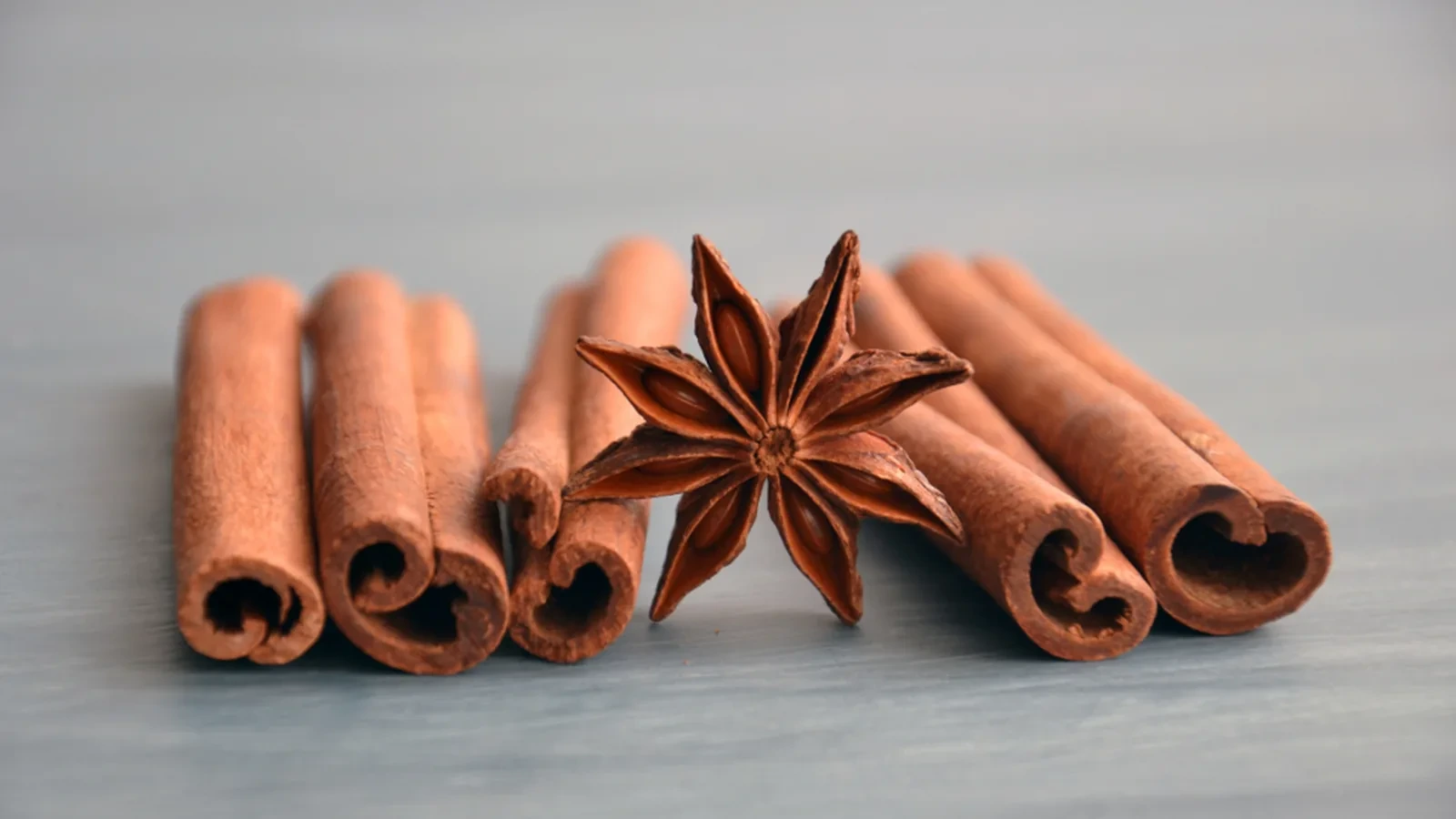
Winter 2026-27 is likely to smell warm, polished and close to the skin: smooth woods, dry amber, soft incense, blended oud, toasted gourmand notes and fresh spices. The strongest direction is not one dominant note, but richer fragrances with better control—an important distinction in the Gulf, where winter days can still be bright and mild.
The main winter fragrance trend
The useful phrase for winter 2026-27 is warmth without weight. Fragrances are moving away from dense sweetness and aggressively smoky woods towards compositions that feel rounded, dry and wearable for more than one occasion.
Expect cedar, sandalwood, cashmere wood, vetiver, amber, musk and vanilla to form the structure. Around them, perfumers can add bergamot, grapefruit, cardamom, saffron, incense, coffee, cacao or roasted nuts. The result is a fragrance with presence, but not necessarily a large cloud.
This is why winter fragrance in the UAE cannot be chosen by temperature alone. A scent that feels perfect outdoors at 18°C may become too sweet inside a warm car or too loud in a crowded majlis. Look for balance, texture and a clear dry-down.
What to look for in the notes
Warm woods with a clean finish
Woody fragrances remain the safest foundation for the season, but the style is becoming smoother and less sharply smoky. Cedar gives structure, sandalwood adds creaminess, cashmere wood brings a soft polished effect, and vetiver keeps the finish dry.
For daytime, choose woods supported by bergamot, grapefruit, lavender, rosemary or a light green note. At night, amber, patchouli, leather or incense can make the same family deeper. This is one of the easiest winter profiles to wear in the UAE because it feels seasonal without depending on extreme sweetness.
Amber that glows instead of clings
Amber is still central to winter, but the more current interpretation is dry and transparent rather than syrupy. Labdanum, vanilla, mineral notes, amberwood and warm resin can create depth while keeping the fragrance smooth.
A dry amber usually feels polished and softly glowing. A sweeter amber feels fuller, louder and more enveloping. The first suits work, daytime visits and restaurants; the second is better for evening wear, cold outdoor air and strongly air-conditioned rooms.
Incense used as lift
Soft incense is returning as an accent around woods, musk and amber. Instead of creating a thick smoky cloud, it adds a dry, slightly resinous lift that makes the composition feel calmer and more elegant.
Look for olibanum, frankincense or incense paired with cedar, sandalwood, amber or clean musk. Avoid choosing a fragrance only because the word “incense” appears in its description: incense over birch, leather or dark resin will read much smokier than incense over citrus and musk.
Oud with a softer frame
Oud will continue to matter in Gulf fragrance culture, but the most versatile winter interpretations will surround it with rose, saffron, sandalwood, vanilla, amber or clean musk. Oud supplies depth; the surrounding notes decide whether it feels formal, smoky, sweet or easygoing.
For a dry, structured oud, Moonlight combines bergamot, saffron, white oud, rose, musk, amber and sandalwood. It is a sensible choice when you want regional depth without making the fragrance entirely about dark wood.
If you prefer a denser evening profile, oud with rose, incense, benzoin or leather will project a more dramatic mood. Use it carefully in enclosed spaces, especially during the day.
Toasted gourmand notes
The next gourmand direction is less about obvious dessert and more about toasted warmth. Think roasted hazelnut, sesame, coffee, cacao, chestnut, caramelised woods and lightly spiced vanilla.
A balanced gourmand has something dry or woody underneath the edible note. Coffee with cedar, vanilla with amber, or cacao with musk tends to feel more refined than a simple sugar accord. Almond, tonka bean and praline can also create warmth without making the whole fragrance smell like confectionery.
The practical test is the dry-down. If the first spray smells delicious but the later stage becomes sticky or flat, it may be difficult to wear in Gulf heat. If the sweetness settles into wood, musk or amber, it is more useful across the season.
Spice as texture, not heat
Cardamom, saffron, cinnamon, pink pepper and ginger are likely to appear in smaller, more deliberate amounts. Their job is to change the texture of a fragrance, not necessarily to make it smell hot.
Cardamom can make woods feel creamy. Saffron can give amber or oud a leathery edge. Ginger can brighten a darker composition, while cinnamon adds a dry sweetness that works particularly well with rum, tobacco, vanilla and sandalwood.
A clear example is Spicewave, where bergamot and grapefruit meet pink pepper, cinnamon, saffron, tobacco, leather and vetiver. The citrus keeps the spice from becoming too dense, making this style more flexible than a purely sweet winter scent.
How winter scents wear in Gulf weather
Winter in the Gulf has several microclimates: bright outdoor afternoons, cool evenings, warm cars, humid coastal air and strong indoor air conditioning. The same fragrance can behave differently in each one.
| Setting | Notes that usually work well | Notes to use carefully |
|---|---|---|
| Sunny daytime | Bergamot, grapefruit, ginger, vetiver, clean musk, transparent amber | Dense vanilla, praline, heavy oud |
| Office or work meeting | Cedar, sandalwood, iris, soft incense, dry amber | Loud leather, tobacco, thick caramel |
| Outdoor evening | Saffron, rose, oud, cinnamon, amber, vanilla | Very fresh marine notes alone |
| Air-conditioned majlis | Tonka bean, coffee, sandalwood, musk, incense | Over-spraying sweet amber |
| Warm car or indoor event | Citrus over woods, musk, restrained spice | Syrupy gourmand and smoky resin |
In mild warmth, citrus and spices can appear sharper in the opening, while vanilla, caramel and amber can feel fuller. In air conditioning, sweet and woody notes may seem softer at first and then become more noticeable as the fragrance warms on skin.
Start with a small application and assess it after 30 minutes. A fragrance that remains smooth after the opening is more dependable than one that is impressive only in the first 5 minutes. For most winter settings, 2 to 4 sprays are enough; stronger oud, incense and gourmand compositions may need less.
On fabric, fragrance can last longer but may smell less nuanced than it does on skin. Test on skin before deciding, and allow several hours for the base notes to appear. Wear time depends on skin, application, humidity and the formula, so a precise hour count cannot be promised from the note list alone.
Which winter profile should you choose?
There are three sensible directions for most wardrobes.
Choose smooth woods and dry amber for versatility. This is the best option for daytime, work, travel and occasions where you want to smell polished without dominating the room. Cedar, sandalwood, vetiver, bergamot and clean musk are reliable signals.
Choose soft oud, rose and saffron for evening character. This profile feels more connected to Gulf fragrance preferences and works well for dinners, gatherings and cooler nights. Keep the oud blended with rose, musk, sandalwood or vanilla if you want it to remain approachable.
Choose toasted gourmand for comfort and impact. Coffee, almond, cacao, tonka bean, caramel and vanilla are suited to evening wear and air-conditioned settings. Look for wood, musk or spice in the base so the sweetness has shape.
For the gourmand option, Elegance brings almond, coffee, jasmine sambac, tuberose, cocoa and tonka bean. It has the roasted, creamy character expected from the trend, while the floral notes keep it from becoming a single-note dessert impression.
| If you want to smell… | Start with… | Best use |
|---|---|---|
| Clean, composed and versatile | Woods, vetiver, musk, dry amber | Daytime and work |
| Warm, traditional and distinctive | Oud, saffron, rose, incense | Evening gatherings |
| Toasted, creamy and noticeable | Coffee, cacao, almond, vanilla, tonka | Dinner and air conditioning |
If you are choosing an interpretation of a designer fragrance, compare the note profile and overall style rather than expecting an identical scent. “Inspired by” describes the relationship; it does not mean the fragrance is the same as the original.
What the price actually buys
Price is useful when it helps you choose between a style, not when it is treated as proof that one fragrance will suit everyone. A lower price can make it easier to own separate scents for daytime, evening and special occasions instead of forcing one bottle to do every job.
For example, a 2-fragrance winter rotation using Spicewave at AED 90 and Moonlight at AED 90 comes to AED 180. That gives you one spicy woody option and one saffron-and-oud option, rather than asking one dense fragrance to cover every setting.
What matters in the product is how the opening, heart and dry-down work together. Notes such as saffron, vanilla, oud or amber may be prominent at first, but the quality of the experience is determined by the transition into the base. Test on skin, leave it for at least 30 minutes, and judge whether the later stage still fits your intended occasion.
When to wear each winter style
Wear citrus over woods, clean musk or dry vetiver during late morning and afternoon. This timing lets the fragrance feel seasonal without becoming heavy in sunlight. It also works for offices, shopping, coffee meetings and daytime family visits.
Move into amber, saffron, incense and oud from late afternoon onwards, particularly for dinners, majlis visits and outdoor gatherings. Rose and sandalwood make oud more rounded; leather and dark resin make it more formal and dramatic.
Save coffee, cacao, caramel, praline and dense vanilla for evening or strong air conditioning. Apply before leaving rather than repeatedly refreshing in a warm room. The fragrance will have time to settle, and the result is usually quieter and more polished.
For home use, bakhoor gives a different kind of winter atmosphere. Premium Mamoul Bakhoor uses amber, sandalwood, resin and musk for a warm, rounded room scent. Use it when the goal is to scent a space rather than create a personal trail, and ventilate appropriately when burning bakhoor.
What people get wrong about winter fragrance
The first mistake is treating “winter” as a synonym for maximum sweetness. Gulf winter often includes warm daylight, so a sugary vanilla or thick caramel accord can become tiring well before sunset. Dry woods, citrus, spice and musk make warmth easier to wear.
The second mistake is judging only the opening. Bergamot, grapefruit, ginger and pink pepper may disappear or soften quickly, while amber, vanilla, musk, patchouli and wood remain for much longer. Wait for the fragrance to settle before buying or dismissing it.
The third mistake is assuming oud always means an overpowering scent. Oud can be smoky, leathery, sweet, rosy, clean or softly woody depending on the notes around it. Rose, sandalwood, vanilla and musk generally make it more blended; birch, dark resin and incense push it towards a heavier profile.
The fourth mistake is overspraying because the fragrance seems quiet in air conditioning. Skin temperature, movement and changing rooms can make the scent more noticeable later. Give it time before adding more.
The final mistake is buying by season label instead of use. A fresh citrus fragrance can be excellent on a bright December afternoon, while a winter gourmand may be best reserved for a cool evening indoors. The useful question is not “Is this officially a winter scent?” but “Where will this work in my actual week?”
Questions people ask
What notes will be most popular in winter 2026-27?
Smooth woods, dry amber, soft incense, blended oud, toasted gourmand notes and restrained spices are the clearest directions. Cedar, sandalwood, saffron, cardamom, coffee, cacao, vanilla and clean musk are likely to appear in balanced combinations rather than as extremely loud single-note effects.
Is oud suitable for daytime in the UAE?
Yes, if it is paired with lighter or cleaner notes such as bergamot, rose, sandalwood or musk. Dense oud with dark resin, leather and heavy incense is usually easier to manage in the evening or in a cool, enclosed setting.
Should winter fragrance be sweet?
It can be sweet, but it does not need to be syrupy. Vanilla, tonka bean, caramel, almond or cacao will feel more wearable when balanced by cedar, vetiver, musk, coffee, spice or dry amber.
How should I test a winter fragrance before buying it?
Spray it on skin and wait at least 30 minutes, then assess the dry-down later in the day. Test in the setting where you plan to wear it if possible, because Gulf warmth, humidity, cars and air conditioning can all change how strongly the notes appear.
Wear what makes you feel remembered.
Gloria Naturals